

How One Young Kenyan Turned Stillness into a National Conservation Moment
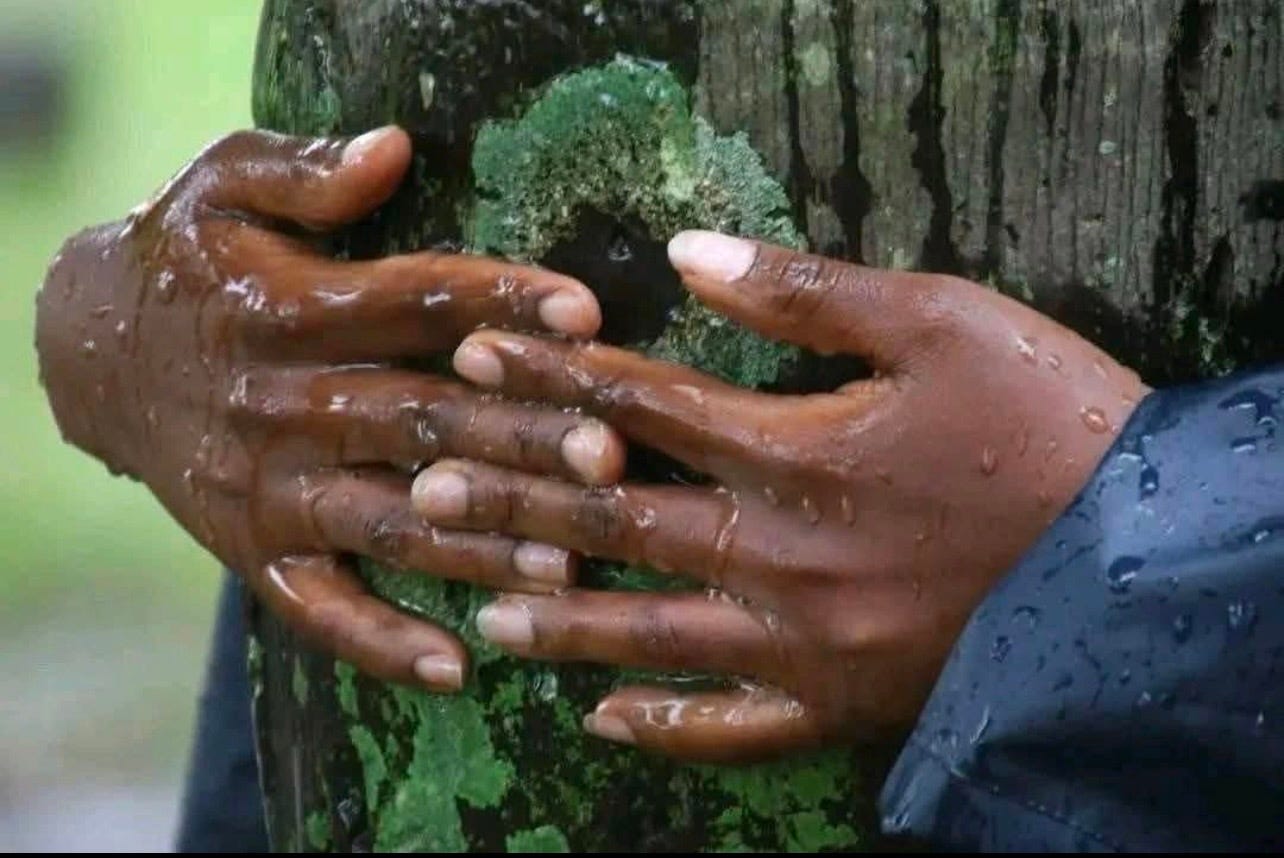
In a world that measures impact by speed, reach, and volume, Truphena Muthoni chose something radically different: stillness.
For seventy-two uninterrupted hours, the young Kenyan environmental advocate remained physically connected to a single tree. She did not shout, march, or demand attention. She stayed. What might have appeared, at first glance, as a quiet personal gesture unfolded into a powerful public moment, capturing national attention and sparking widespread conversations across Kenya about the value of trees, the pace of deforestation, and the fragile state of the country’s landscapes.
The simplicity of the act was precisely what made it so compelling. By choosing one tree and committing her full body and time to it, Truphena stripped environmental activism down to its essence. Trees, she reminded the public, are not abstract symbols or background scenery. They are living systems that hold soil together, regulate water cycles, cool the air, support biodiversity, and make farming and rural life possible. Without them, food systems weaken, water becomes scarce, and communities grow more vulnerable.
Remaining in one place for three days required discipline and resolve. The physical discomfort, fatigue, and mental strain were part of the message. Truphena’s endurance mirrored the patience that ecosystems themselves require and highlighted how much effort is often demanded from nature while so little is consciously returned. Her stillness became a form of resistance against a culture that consumes land quickly and moves on without repair.
What made the challenge particularly powerful was its accessibility. There was no barrier to understanding her message. Anyone, regardless of age or background, could grasp the meaning of protecting a tree by staying with it. In this way, Truphena opened a door for many, especially young people, to see environmental care not as a technical or distant issue, but as a personal and ethical responsibility.
Her action also reframed leadership. Rather than positioning herself above others, Truphena placed herself alongside the living world she was advocating for. She did not speak on behalf of trees; she stood with one. This gesture resonated deeply in a country where environmental degradation is increasingly visible, from disappearing tree cover to declining soil fertility and water insecurity.
The response showed that people are ready for a different kind of environmental narrative. One that is grounded in presence rather than performance. One that values consistency over spectacle. Truphena’s 72-hour embrace did not offer easy solutions, but it asked an essential question: what would change if care were practiced as deliberately as extraction? Her action stands as a reminder that individual choices, when made with clarity and courage, can influence public consciousness. In slowing down, she invited an entire nation to pause, observe, and reconsider its relationship with the natural world.
At MOTHERLAND, we deeply honor this form of leadership and wholeheartedly support all young people who commit themselves, quietly or visibly, to the protection and regeneration of our shared environment.