

Designing Lima with empathy, culture and community intelligence
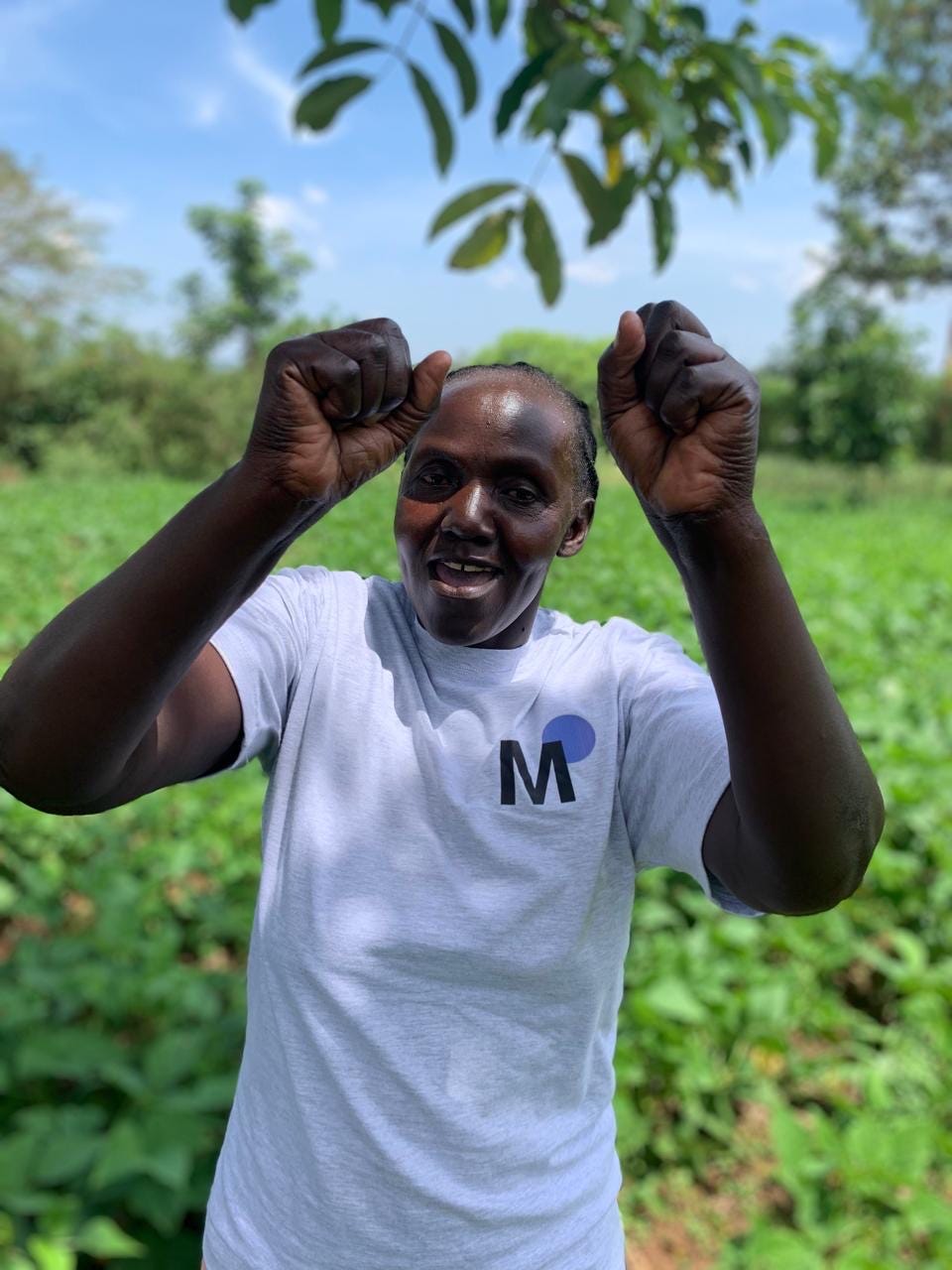
When MOTHERLAND and peachstone.ai began developing Lima - our digital training the trainer extension of MOTHERLAND - in mid 2025, we were not trying to build another digital agriculture tool. We were trying to solve a deeper structural challenge inside MOTHERLAND’s operations: how to deliver consistent, high-quality internal training across many villages, to a growing Local Impact Team, in a way that remains human, intuitive and trusted.
The first version of Lima already proved that WhatsApp-based learning can strengthen internal workflows, reduce preparation time and make complex information accessible in low-connectivity environments. But one insight emerged very early in the design process: if Lima was going to support our team effectively, she needed to feel like someone, not something.
In the communities where MOTHERLAND works, information is not received neutrally. It is received relationally. People listen differently depending on who speaks, how they speak and whether they feel understood. Even internally, the Local Impact Team relies on trust-based communication, shared language patterns and cultural rhythms. A purely technical system would never be able to create the comfort, familiarity or clarity that our team needs in their daily work.
This is why Lima was given a human face, long before she was ever given technical features.
A design process built on listening
Before any model was trained or interface built, MOTHERLAND and peachstone.ai spent several weeks in dialogue with women’s groups, youth leaders and community members in Siaya County. These conversations focused on how people communicate on WhatsApp, how they explain farming concepts to each other and which tones feel supportive rather than instructional. The conversations were practical, grounded and often deeply honest.
One sentence appeared again and again, no matter the age or background of the speaker: “She should sound like someone from here.”
It became the core design principle. Lima’s personality, her tone, her choice of words, her pace, her clarity was shaped around this idea of familiarity. Even though the system is used internally by MOTHERLAND’s staff, the team itself is rooted in the same communities. The way people speak, learn and relate to each other in Siaya County directly influences how effectively digital learning materials are absorbed, remembered and applied.
Human presence as a learning strategy
Giving Lima a personality was therefore not a cosmetic decision; it was a functional one. Research from human computer interaction consistently shows that conversational agents with a clear, relatable identity increase engagement and retention. Motherland’s field experience confirmed this as well. Team members are more likely to ask follow-up questions, revisit materials and explore new modules when the communication feels natural and not abstract.
Lima was designed to mirror the qualities of a trusted neighbour: she is warm, patient, clear and never judgmental. She speaks in short, accessible sentences that match the tempo of daily life in rural Kenya, where a message might be read while preparing a field demonstration or walking between homesteads. This human-centred design reduces cognitive load and lowers the barriers that often exist when new technology is introduced.
Cultural intelligence embedded into design
One of the most defining aspects of Lima’s development was understanding the cultural and linguistic nuances that shape how learning flows in Siaya County. People prefer explanations that are direct but not abrupt, friendly but not overly casual, and practical rather than abstract. Lima’s voice was fine-tuned to reflect these nuances.
In practice, this means that Lima explains concepts using everyday references familiar to the Local Impact Team: the smell of wet soil after the first rain, the steps of drying beans safely, or the small details that separate healthy compost from poor compost. The goal was not to anthropomorphise technology, but to ensure that the digital companion aligned with local ways of knowing and teaching.
Even internal training benefits from this. When a digital system speaks in a familiar rhythm, new information feels less foreign, and team members absorb more in less time.
A companion, not a replacement
Throughout the process, one principle guided the collaboration: Lima should never replace human relationships. She should strengthen them. This aligns directly with Motherland’s organisational philosophy and the Cisco Foundation’s commitment to human-centred technology. The Local Impact Team remains at the heart of all farmer-facing training. Lima simply ensures that the knowledge they carry is organised, standardised and instantly accessible.
By giving Lima a human presence, the project acknowledges something essential: learning is emotional. People learn best when they feel confident, respected and supported. The Local Impact Team works in environments where trust is built over months and years. A digital companion that feels cold or distant would add friction. A companion that feels relatable reduces it.
A foundation for what comes next
The decision to give Lima a human face is already influencing the next phases of development. As the system expands towards supporting new team members, new modules and additional languages in 2026, her persona will help ensure consistency across regions and cohorts. Whether she delivers an onboarding sequence, explains a soil health concept or guides a first-time team member through a post-harvest demonstration, her voice will remain stable, familiar and grounded in the community MOTHERLAND serves.
As Lima evolves, she will continue to embody the principle that shaped her creation: technology is most powerful when it feels like a partner. By integrating human presence with digital capability, MOTHERLAND, PeachStone and the Cisco Foundation are demonstrating that AI for rural transformation does not need to be complex to be effective. It needs to be relatable, trustworthy and rooted in the realities of the people who will use it.
Lima represents this convergence. She is the first step within our ecosystem toward a future where internal learning for agricultural field teams becomes faster, more consistent and more culturally aligned, without ever losing the human connection that makes MOTHERLAND’s work so effective.